Youth Voice and Belonging
Helping Mongolian American young people connect, find their voice, and lead with confidence.
What Young People Need to Thrive
Growing up between cultures can be both enriching and complicated. Young people benefit from supportive friendships, trusted adults, cultural connection, and opportunities to explore their values, interests, and goals. Our work is built around those needs.
Supportive Friendships
Young people do better when they have friends who understand them, who share parts of their experience, and who make room for them to be themselves.
Trusted Adults
Consistent, caring adults offer guidance, encouragement, and a steady presence that young people can turn to as they grow.
Cultural Connection
Connecting with Mongolian language, traditions, history, and community helps young people understand who they are and where they come from.
Room to Explore
Young people need opportunities to explore their own values, interests, and goals, and to practice making choices about the direction of their lives.
A Curriculum Built Around Belonging
Our youth leadership work is curriculum-based and grounded in relationship. Sessions are designed to help young people feel at home with one another while they build skills they can carry into school, family, and community life.
The curriculum centers on belonging, Mongolian cultural identity, peer support, communication, and leadership. Each theme is introduced gently, practiced together, and revisited over time so young people can grow into it at their own pace.
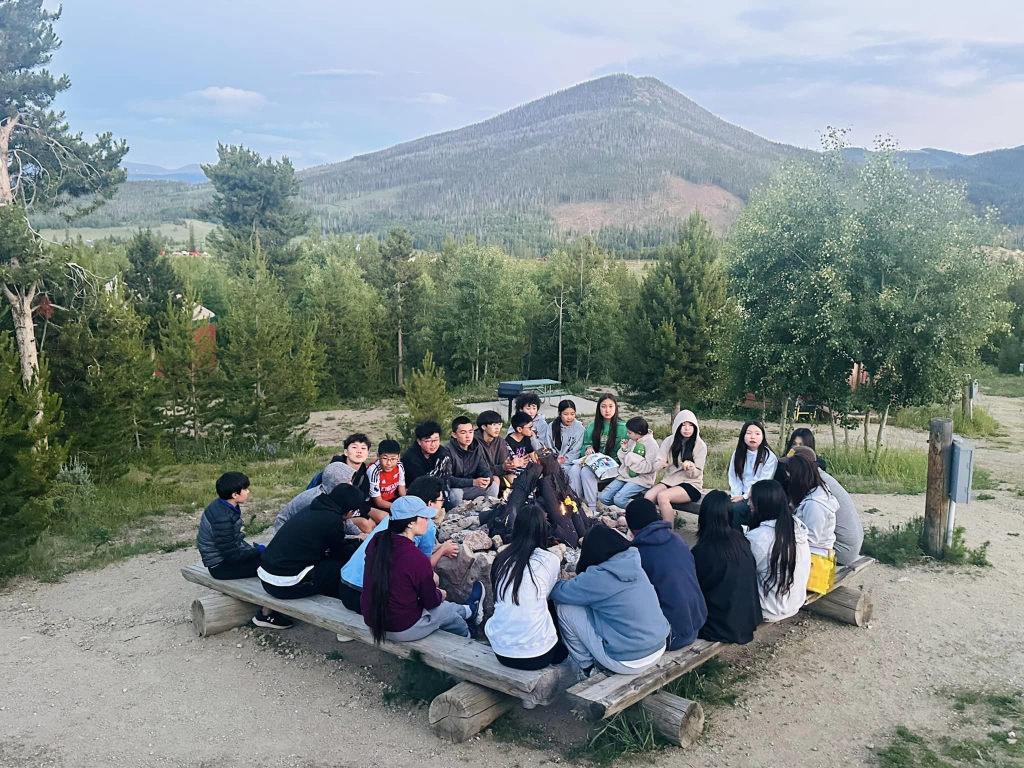
Check-ins
Each gathering opens with a simple check-in, so young people are seen and heard and can settle into the space together.
Group Activities
Hands-on activities and collaborative projects give participants a way to practice working together and trying new things.
Discussion
Guided conversations help young people put words to their ideas, listen to others, and build confidence speaking in a group.
Reflection
Time to reflect helps participants connect what they experienced to their own values, interests, and goals.
Young People Help Shape the Program
Participants are invited to shape the topics and activities we take on. When young people help decide what the group explores, they invest more of themselves in it, and the program stays grounded in what actually matters to them.
We are also developing a peer facilitator role. High-school students would support younger participants, receiving preparation and ongoing supervision from adults along the way. Peer facilitators offer encouragement and a near-to-their-age perspective, while the adults in the room keep the structure and the care.
Youth Voice
Young people choose topics, propose activities, and share feedback on how gatherings are run. Their input shapes the curriculum as it develops.
Peer Facilitators
High-school peer facilitators would support younger participants, with adult preparation before sessions and adult supervision throughout.
This is a community program, not clinical care. When a young person needs support beyond what a community program can offer, we connect with families and appropriate resources.
Grown Alongside Families
Young people thrive when the adults around them are part of the same conversation. Our work is planned together with families and community partners, not separate from them.
Proposed Caregiver Gatherings
We are planning gatherings for parents and caregivers, so families can connect with one another, share what is working, and learn about the program together.
Families Help Shape the Program
Families are invited to help shape the program, from the topics we cover to the ways we gather and communicate.
Community Space
PABNEEG is a proposed partner supporting access to community space. Partnership details are being confirmed with both organizations.